The Lab, mapped
Tools and models for microbiome research.
The Ronda Lab connects microbial genome editing with the study of host–microbe interactions. Explore the tools, experimental models, and collaborations behind this work.
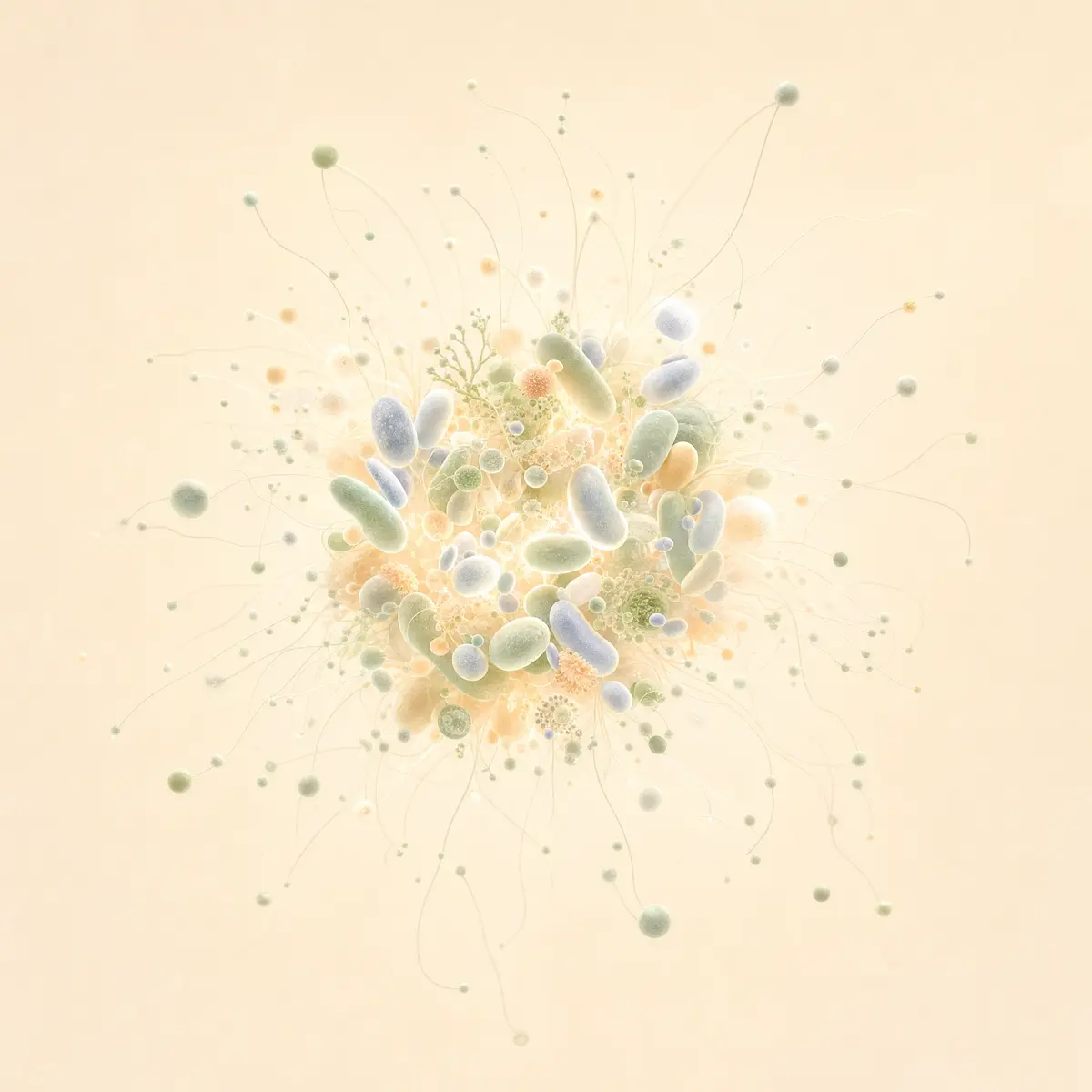
Microbiome editing tools
Developing tools to edit resident microbes directly within their communities.
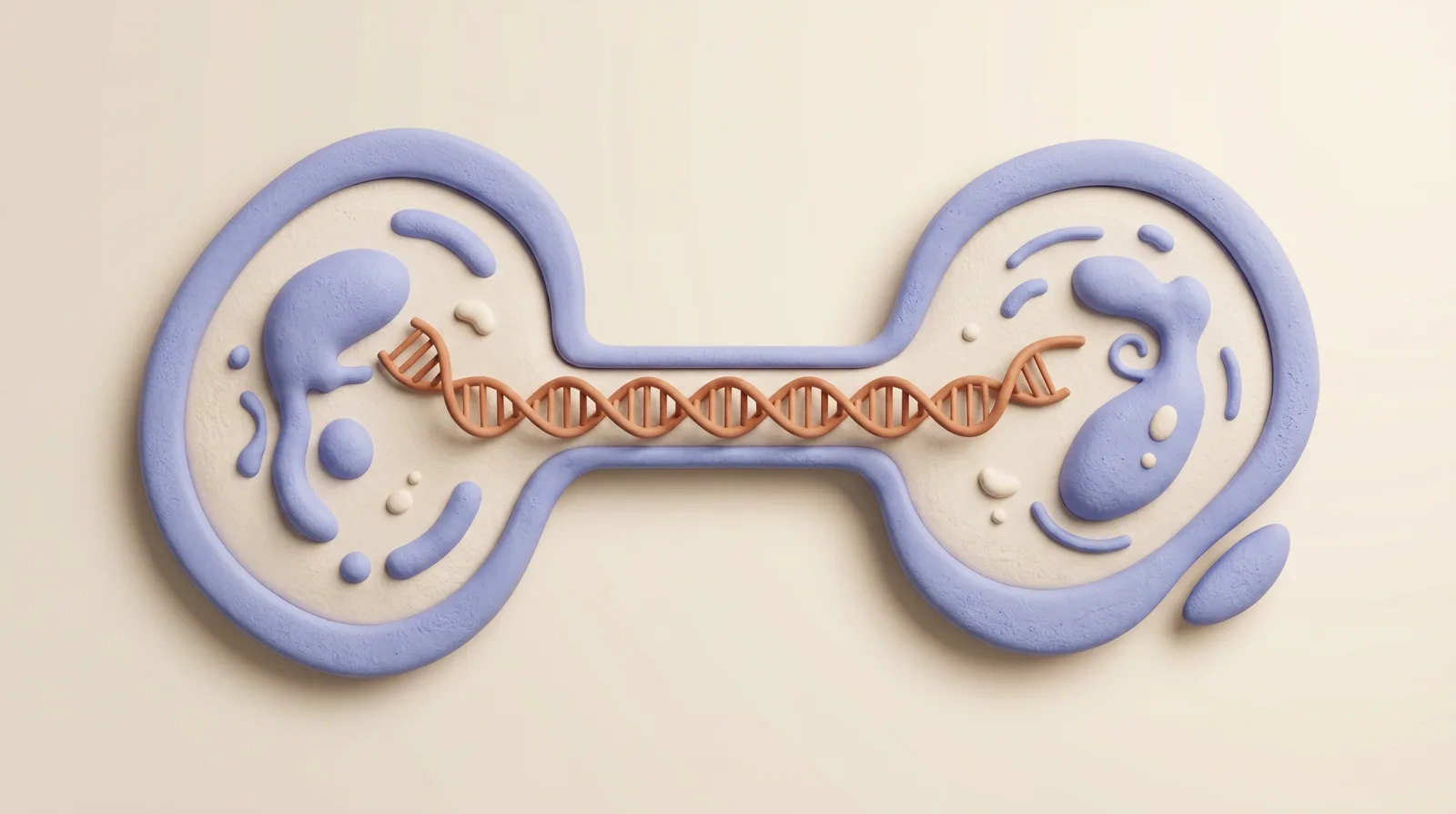
Novel delivery systems
Extracellular contractile systems (eCIS)
Metagenomic mining of new systems, protein engineering for targeted protein and DNA delivery.
With Rubin, Sachdeva
Mobilome engineering
Mining and domesticating novel mobile genetic elements, and high-throughput capture of their hosts.
With Diamond, Sachdeva, Cress
Targeted, more efficient conjugation
Programming donor synthetic binding to target cells, and new materials to extend donor-recipient contact.
With Murthy
Novel editors
Generative AI editors
Compact, reprogrammable RNA-guided transposases, recombinases, and integrases.
With Yun Song
Metagenomic mining
Reprogramming Y recombinases, plus a machine-learning approach that compacts large multi-gene payloads by nesting genes.
With Sandia
Localization and engraftment
Synthetic binders
Programming bacterial attachment to epithelial cells.
Novel PUL and CAZymes
Tuning which microbes take hold and persist.
Modulation of community structure
Rumen editing
Editing rumen communities in vitro, testing antimicrobial peptides against methanogens, and exploring bromoform production in rumen commensals.
With Diamond, Hess, Cress
Airways editing
Novel editing systems and AMPs for Moraxella catarrhalis.
With Lynch
Infants microbiome editing
Extending in situ editing to the developing infant gut.
With Banfield
Host–microbiome interactome
Studying host–microbe interactions using human tissue models and an anaerobic co-culture platform that preserves the spatial structure of microbial communities.
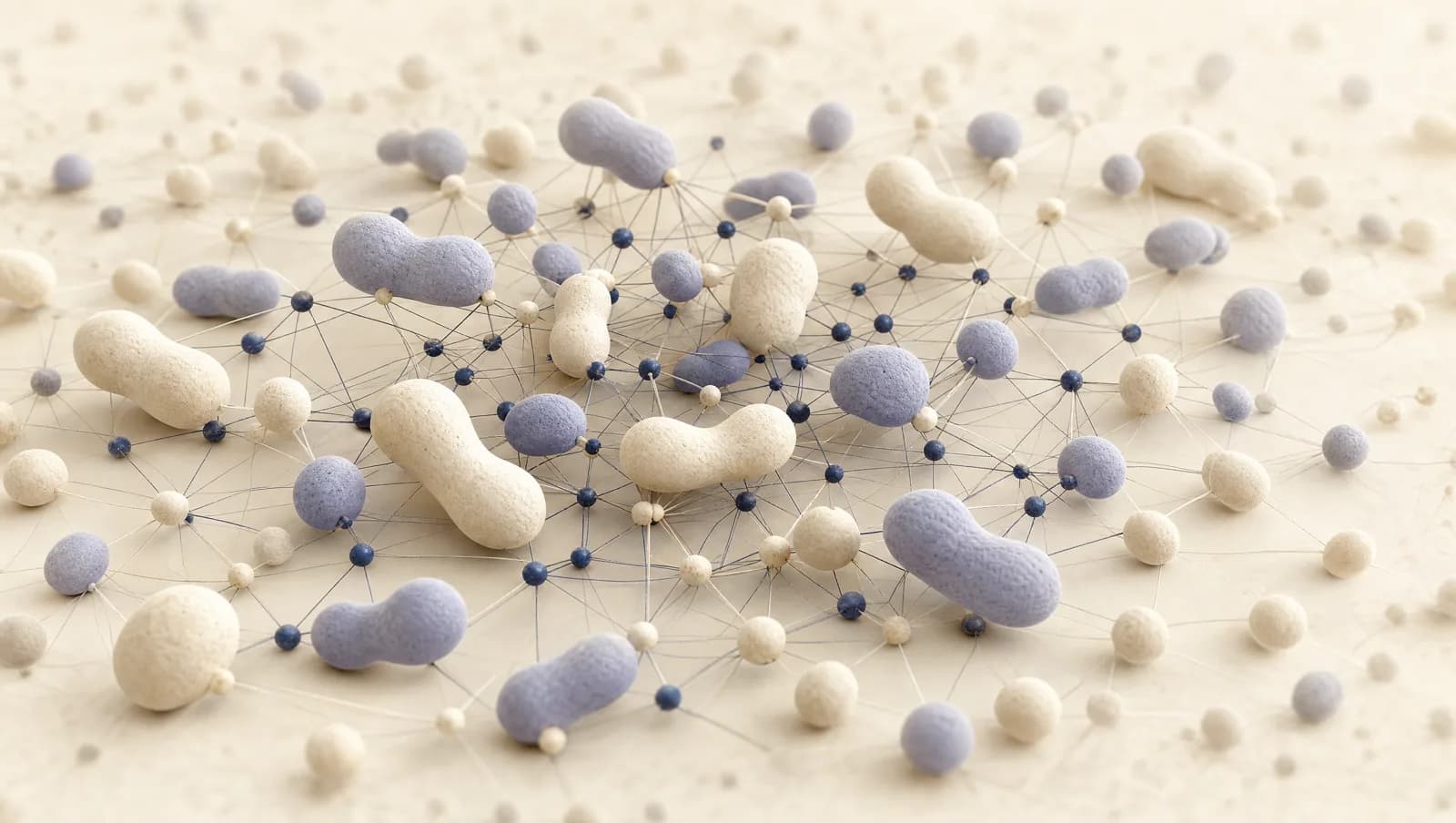
Anaerobic co-culture with gut geography
Gut-geography co-culture
An anaerobic co-culturing system that keeps the spatial structure of the community intact while it is studied.
Human stem cells and organoids
Asthma sample co-culture
Cultivating patient samples in the anaerobic co-culture organoid system.
With Lynch, Diamond
Bifido colonization
Tnseq libraries to test how commensals colonize human gut organoids.
With Huang (Stanford)
Inflammation reporters
Reporter systems in human gut organoids and macrophages to read the tissue response.
With Braverman
Reprogramming host physiology
Engineering commensals for tolerance
Developing commensals designed to deliver tolerance-promoting signals in host-relevant and preclinical models.
With Brown Lab (MSK)
Expanded BIOME group
Automated microbial culturing and next-generation sequencing.
Automation
AI-automated culturomics
High-throughput, automated culturing guided by machine learning.
Automated NGS
Automated next-generation sequencing to keep pace with the culturing.
From discovery to mechanism
From an unknown signal to immune tolerance.
A candidate molecule is not yet a mechanism. Follow the evidence from metagenomic sequence to a receiving immune cell, a causal test, and an engineered microbial function.
This work is preclinical. It is not a demonstrated treatment.
A signal is hidden in the community
Metagenomic sequence contains clues to microbial molecules that standard annotation can miss. The search begins among billions of letters, and thousands of possible signals.