
Published methods
Engineering a microbe directly in the gut
Editing microbial DNA directly in the gut makes it possible to test gene function within the living community.
Explore editing in the gutScience
Explore how microbes are edited within living communities, how their molecules interact with host tissues, and how experiments help us understand those connections.
Published methods
Editing microbial DNA directly in the gut makes it possible to test gene function within the living community.
Explore editing in the gut
Active study
Trace how molecules produced in the gut and other body sites meet host tissues and enter immune, metabolic, and neural signaling pathways, then see how researchers test whether those signals alter host biology.
Explore gut–brain signaling
Mechanism walkthrough
Mechanisms for delivering genetic cargo, writing DNA precisely, and disarming pathogenic functions in living microbial communities.
Explore delivery and editing toolsWhich microbial molecules matter, which host cells respond, and how do we find out? Tissue models and molecular measurements help us move from an observation to a testable explanation.
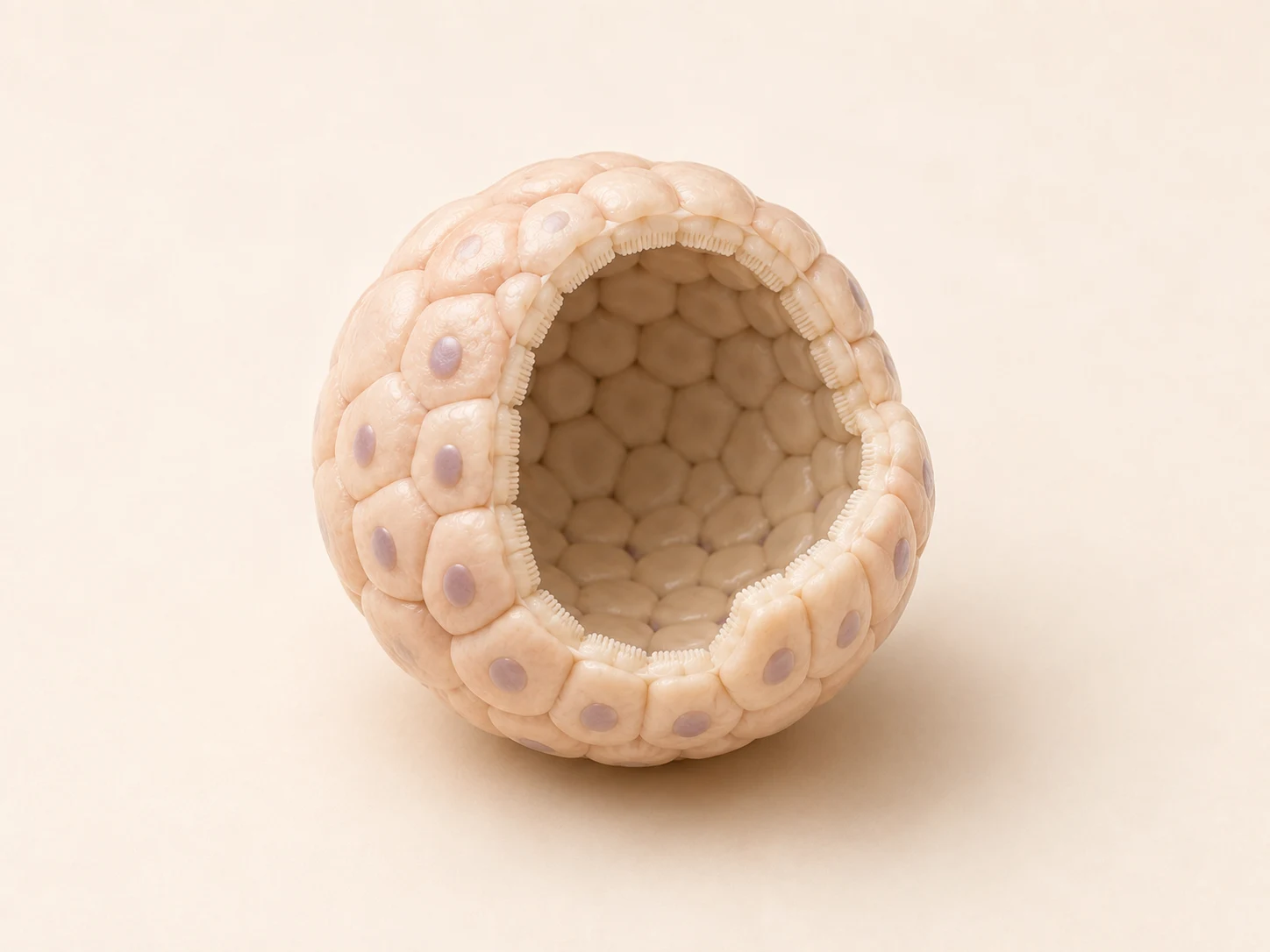
Human tissue models · Active Ronda Lab research
Bring a host–microbe question into a model we can study closely.
Organoids are three-dimensional tissue models grown from stem cells. In this simplified intestinal model, a layer of epithelial cells surrounds a hollow space called the lumen.
They reproduce selected features of a tissue, rather than all the systems of a whole organ.
A molecule found alongside a change in health may be a clue. Testing it in a tissue model helps researchers ask whether it changes the behavior of host cells.
Comparisons with a matched condition help separate the effect of the molecule from other changes in the experiment.
Researchers can examine changes in gene activity, signals released by cells, or properties of the tissue barrier. These measurements help identify interactions worth investigating further.
The Ronda Lab combines organoids with other experimental systems, including immune cells, neural cells and receptor libraries.
A collaborative study shows how researchers can change a microbial signal and measure the host response.
A molecule made by a microbe can change how host cells respond. In a published mouse study, a programmed microbe released a peptide that increased the host's GLP-1 signaling and reduced intestinal inflammation under fiber-deficient conditions.
The microbe supplies the peptide. Intestinal hormone-producing cells release GLP-1. The study tested the resulting effects in a mouse model of colitis.
Probiotic releases a peptide
Host cells release more GLP-1
Intestinal responses are measured
These results come from a mouse model and do not establish a treatment for people.
