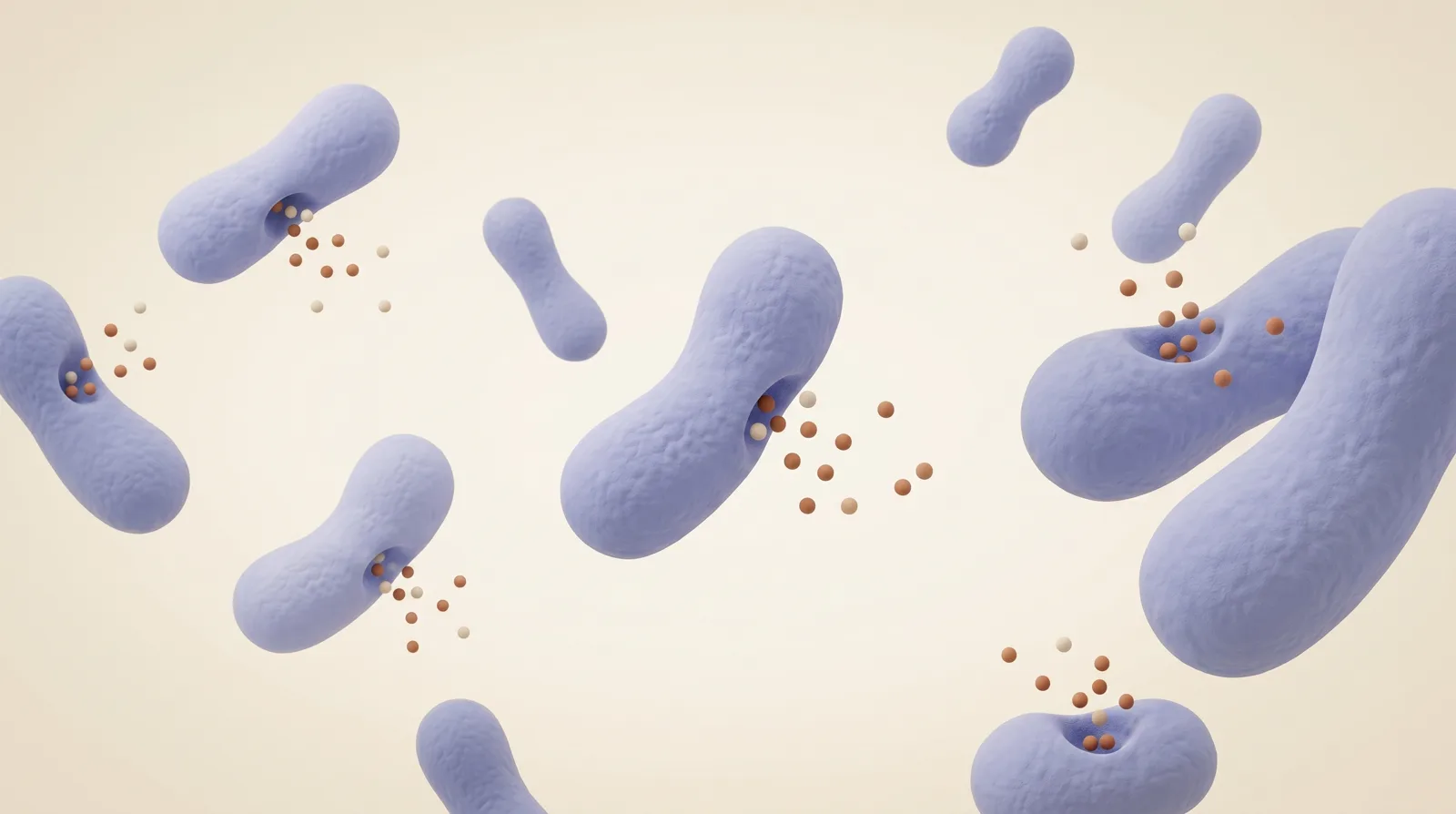
Edit microbes directly in the gut.
A genetic change can be made while a microbe remains among its neighbors. This lets us study what its genes do within that living community.
UC Berkeley Innovative Genomics Institute
A genetic change can be made while a microbe remains among its neighbors. This lets us study what its genes do within that living community.
In the gut, many microbes live together. We develop tools to change the DNA of a selected microbe, then measure what it produces and how its neighbors respond.
Continue the engineering storyWe study the molecules microbes make and how human cells respond. By changing microbial DNA, we can test which signals matter and explore new approaches to treatment.
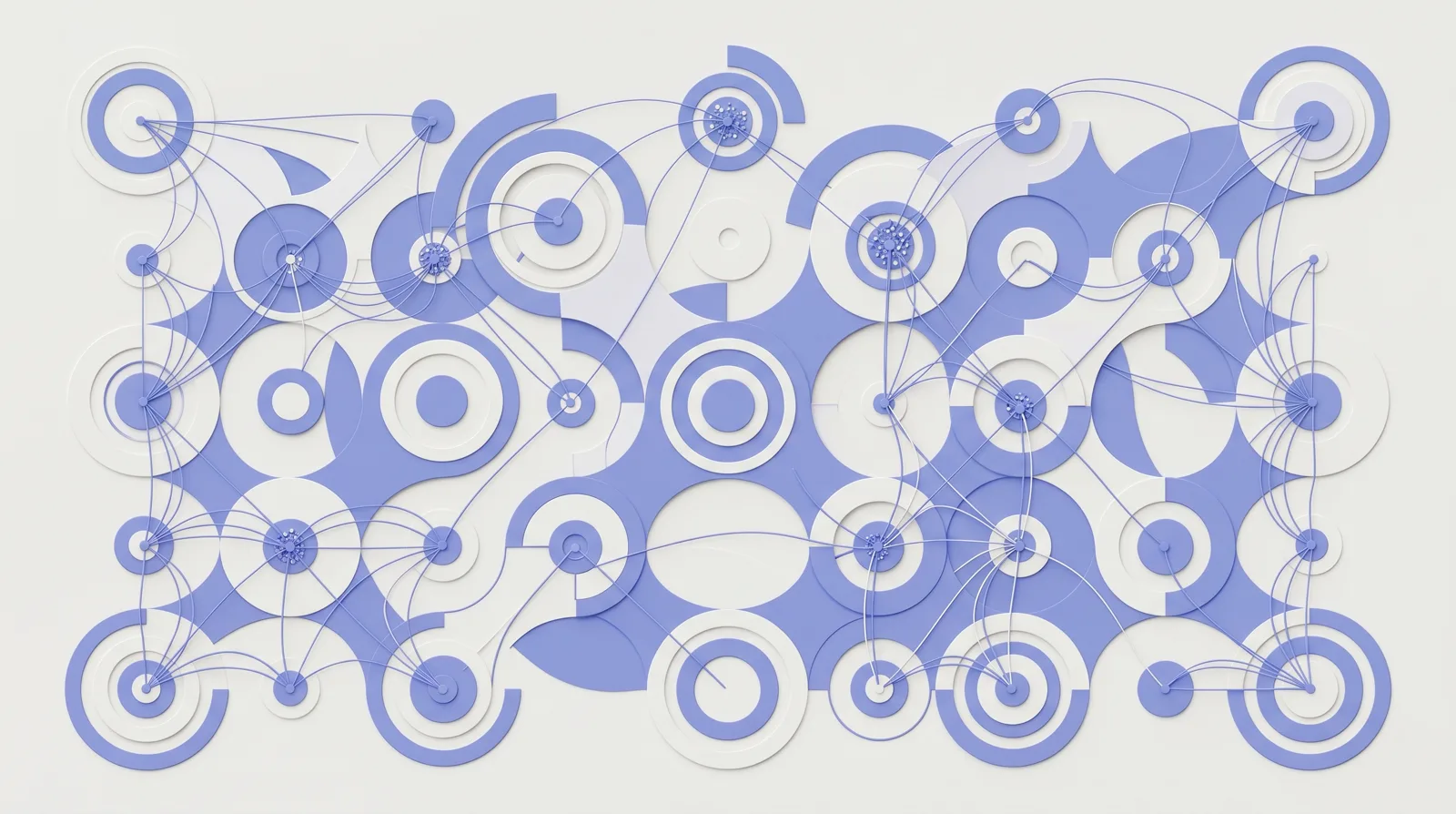
Study how molecules made by microbes affect human cells. We use small tissue models grown in the lab and measurements of genes, proteins, and cell responses to identify the signals involved.
Open Systems Biology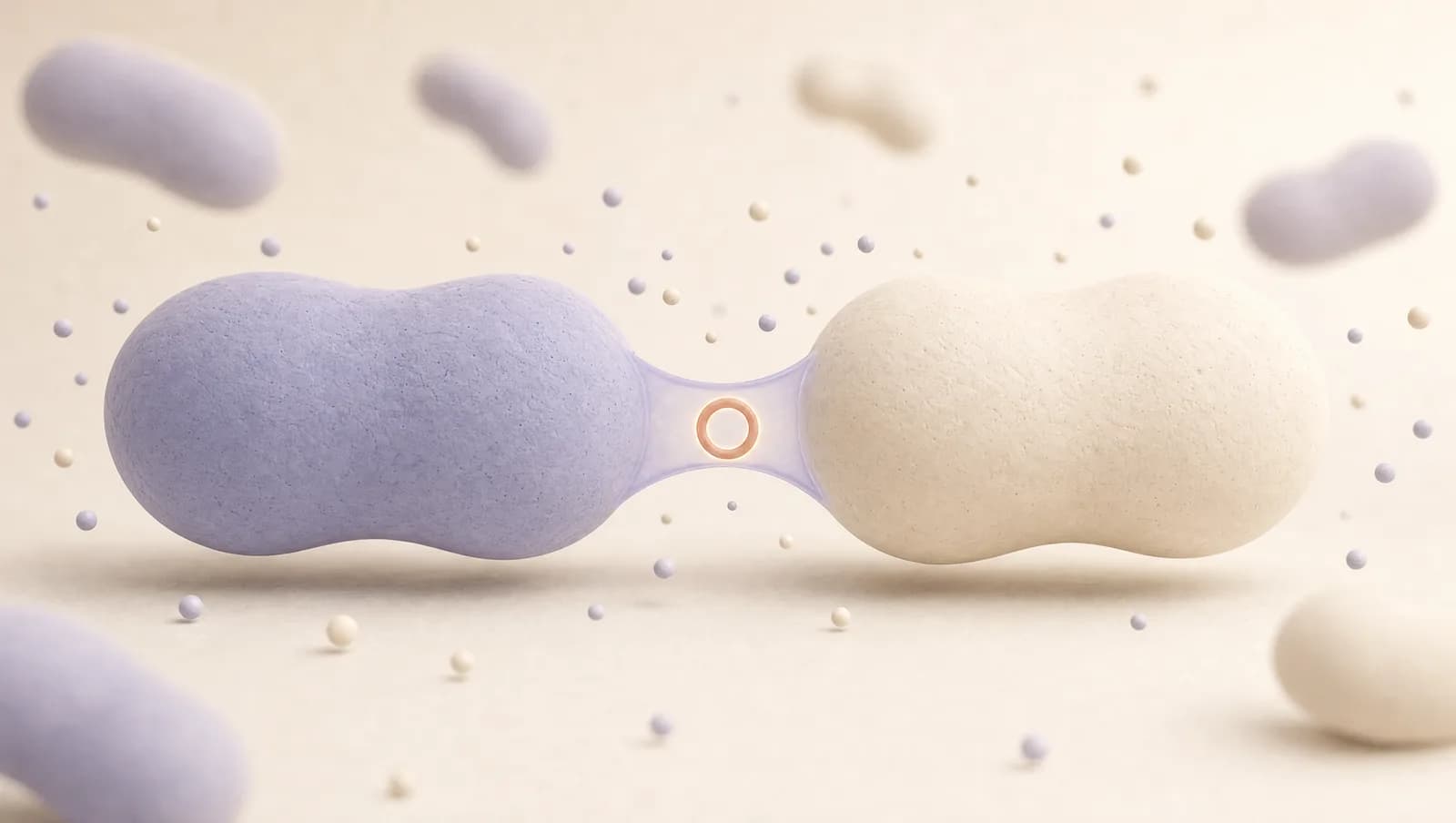
Develop tools to change the DNA of a selected microbe among the many microbes living together in the gut. Then measure how that change affects what the microbe does.
Open in situ programming
Use what we learn to develop and test new approaches to treatment, such as preventing a microbe from making a toxin or helping it produce a protective molecule.
Open biotherapeutic developmentResearch directions
We connect studies of microbial interactions with tools for editing microbes and testing their effects.
Follow a question from the stories above into an explanation, an experiment or a research area.