Research

Understanding and engineering the microbiome.

We study how microbial molecules affect host cells, develop tools to change microbial DNA within living communities, and explore approaches to treatment.

Systems Biology

Mapping host–microbe interactions

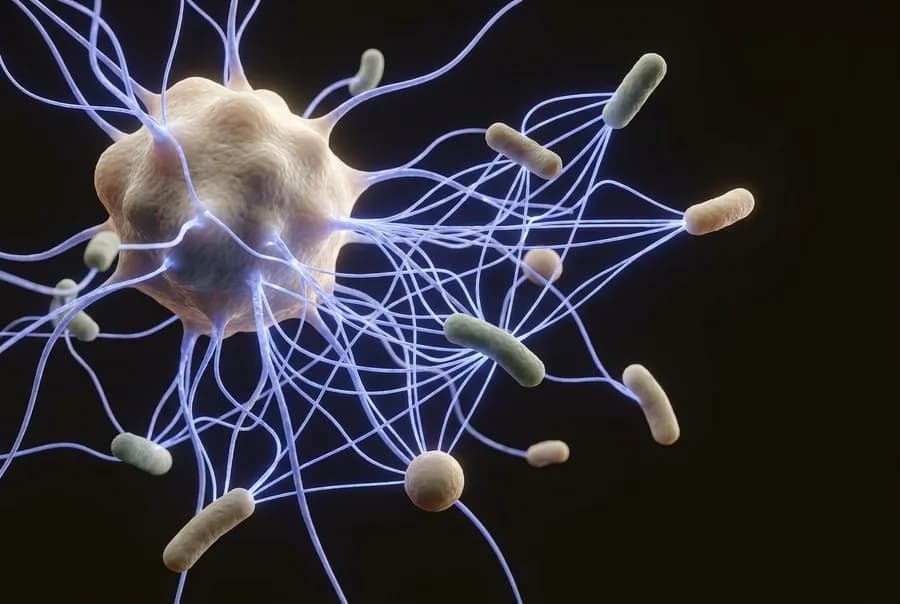
We use systems biology to disentangle complex host–microbe interactomes: networks of interactions, pathways, and signals. Combining multi-omics and synthetic biology with human organoids, immune cells, and neural cells, we test how microbial molecules affect host tissues.

Microbial multi-omics

Connect microbial DNA, RNA, proteins and metabolites to study gene activity and the molecules microbes produce.

Human experimental models

Test interactions in organoids, immune and neural cells, and receptor libraries.

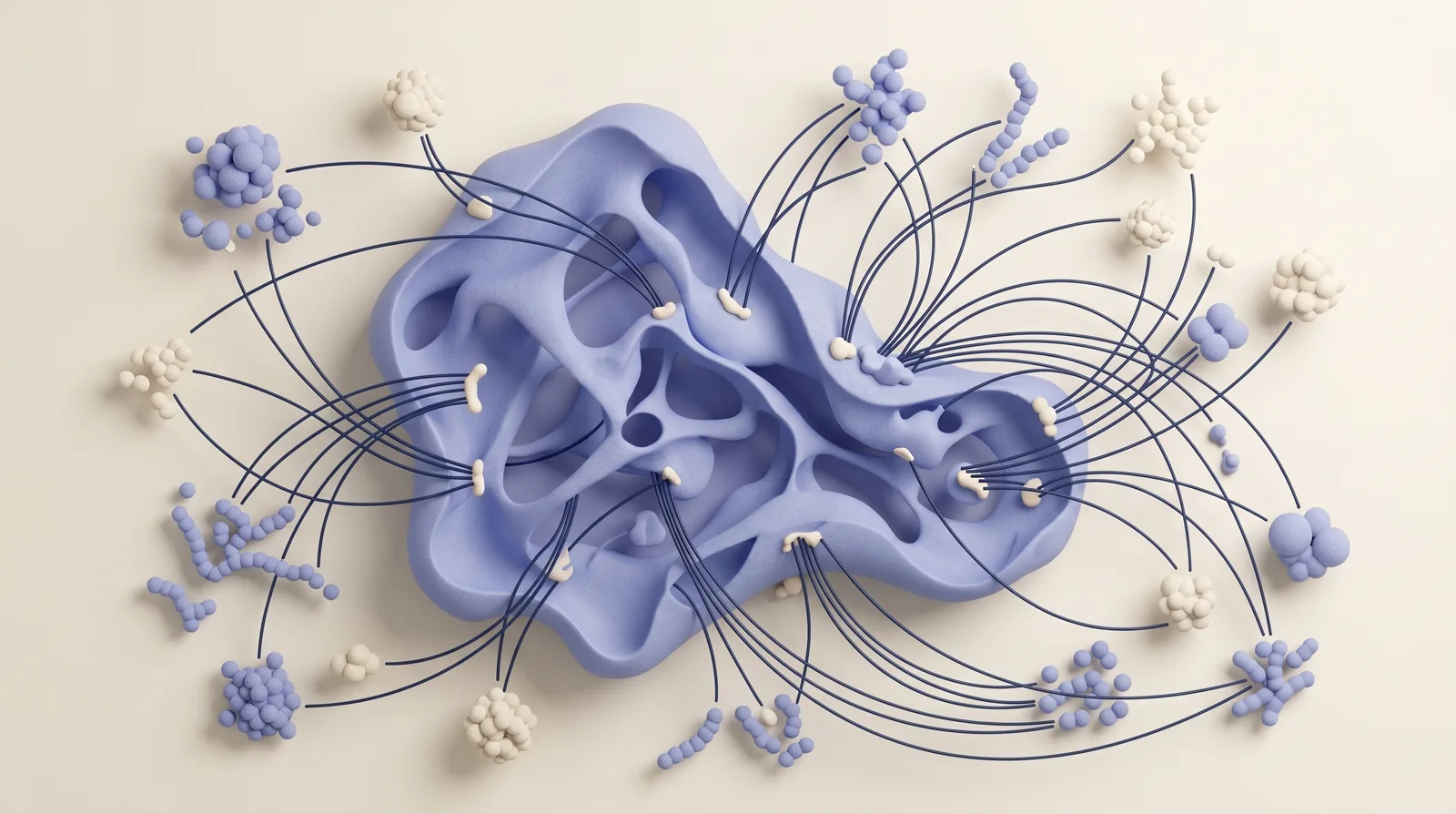
Host–microbe interaction map

Connect microbial molecules with the receptors, cell types and pathways they affect.

Connect molecular data with experiments in human models. Together, they help distinguish an association from a biological interaction.
See how we use human tissue models

Research Focus

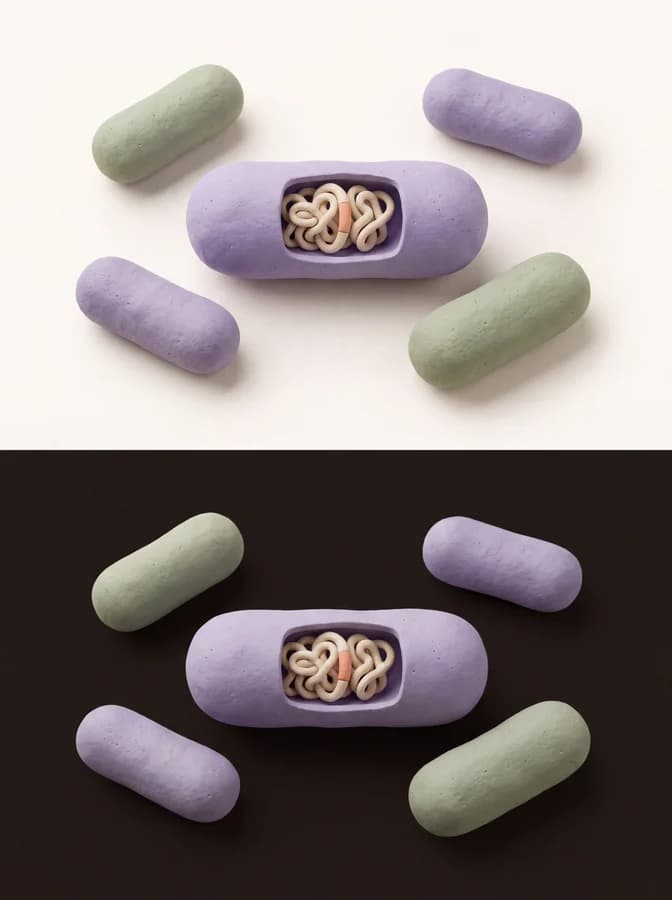
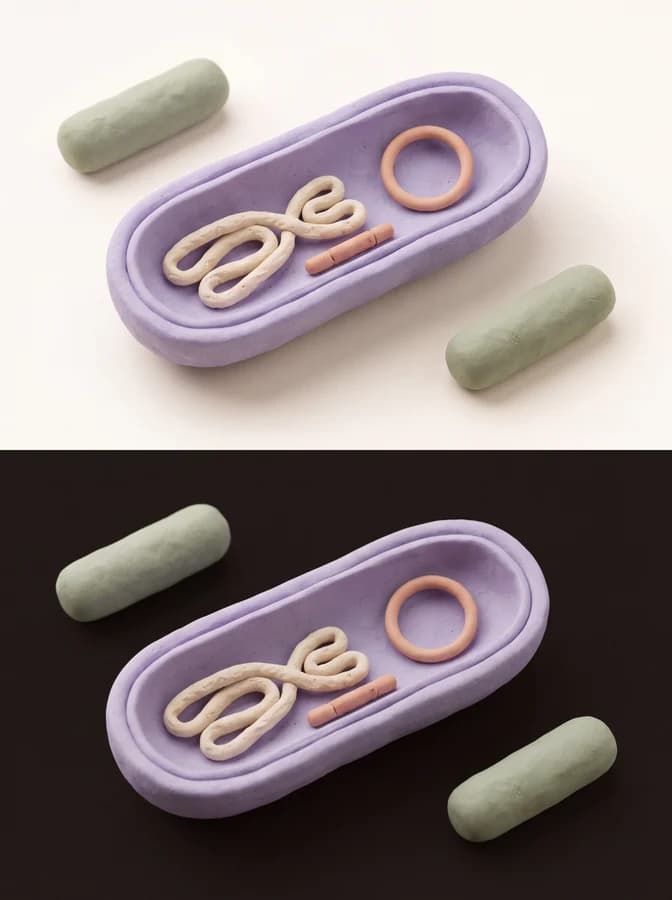
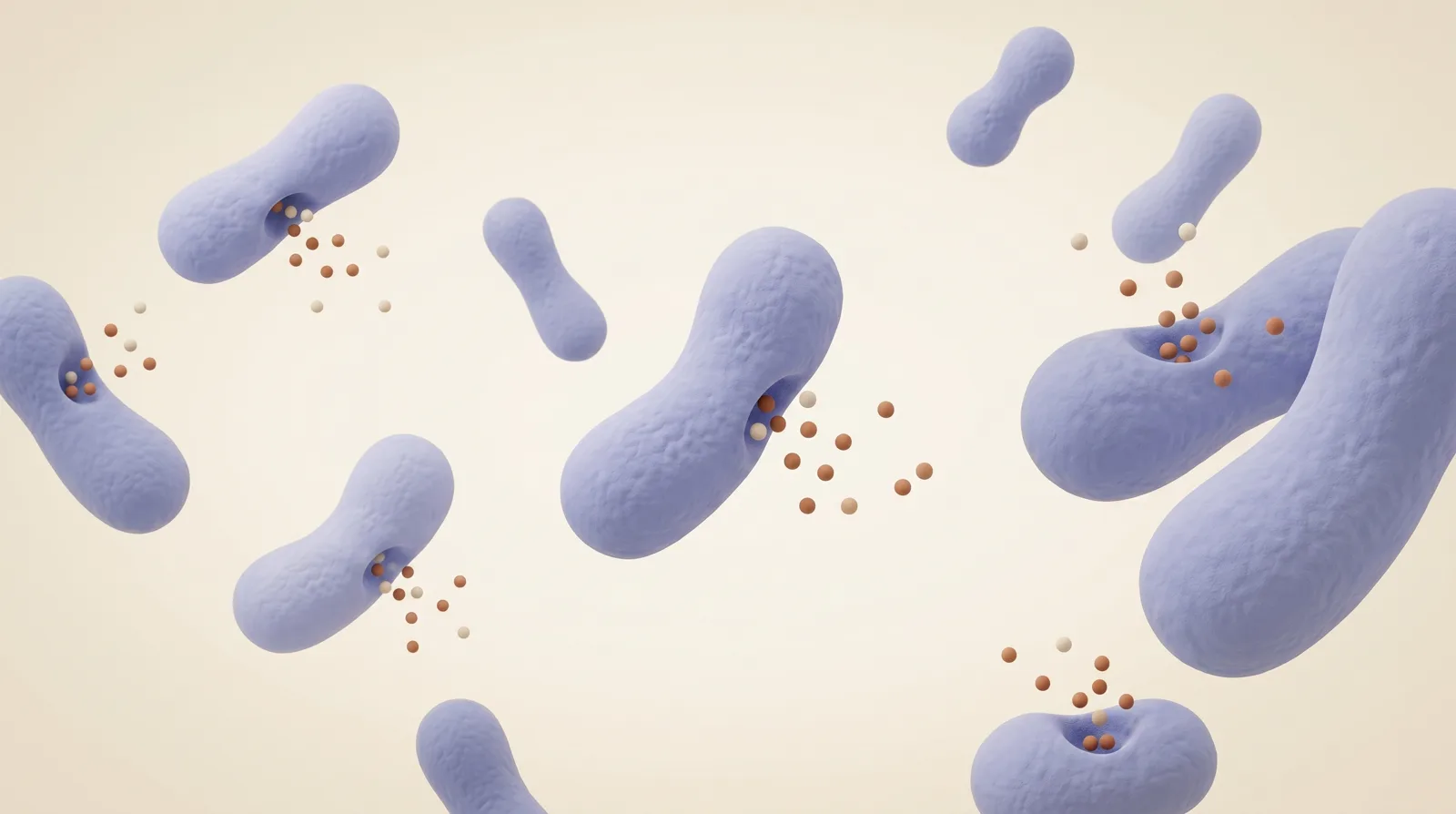
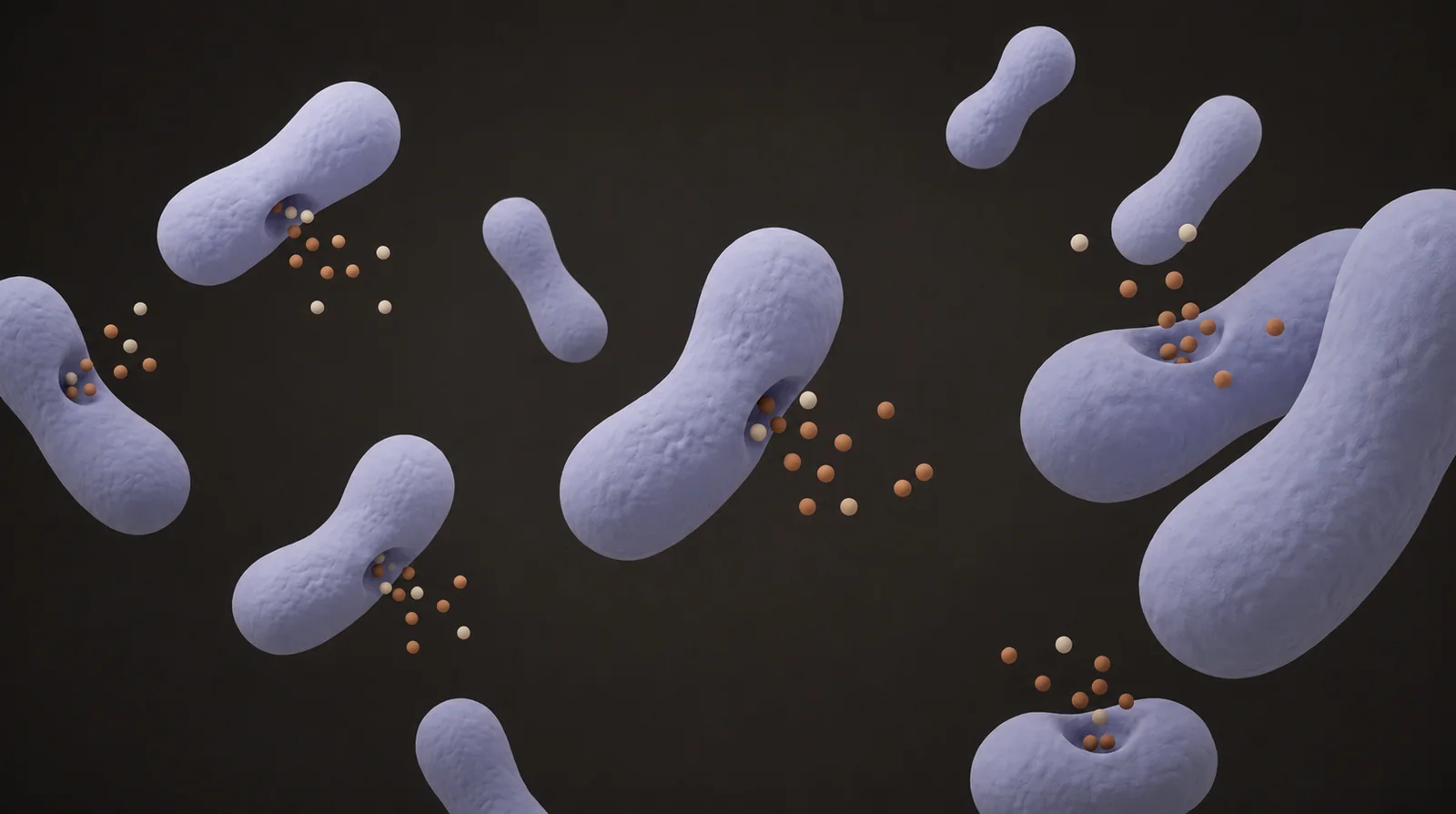
Clay illustration of rod-shaped microbes releasing small molecules
Microbes release molecules that can interact with host tissues. We study which molecules matter, where they act, and how cells respond.

Host–Microbiome Interactome

Mapping Molecular Communication

We combine metagenomic and multi-omic analysis with experiments in human stem cell-derived organoids, immune cells, neural cells, and receptor libraries. Using synthetic and systems biology, we test which microbial genes and molecules affect host cells and identify the receptors and signaling pathways involved. These experiments map host–microbe interactions at cellular and single-cell resolution.

Organoids · Multi-omics · Receptor mapping · Systems biology · Single-cell

Publications will be listed here as this work becomes public.

Visual explanation: Following microbial signals through the host

In Situ Programming

Edit a gene. Study it in its community.

We develop delivery and editing tools that change microbial DNA directly within living communities. These tools help us study gene function in microbes that are difficult to isolate or grow on their own.

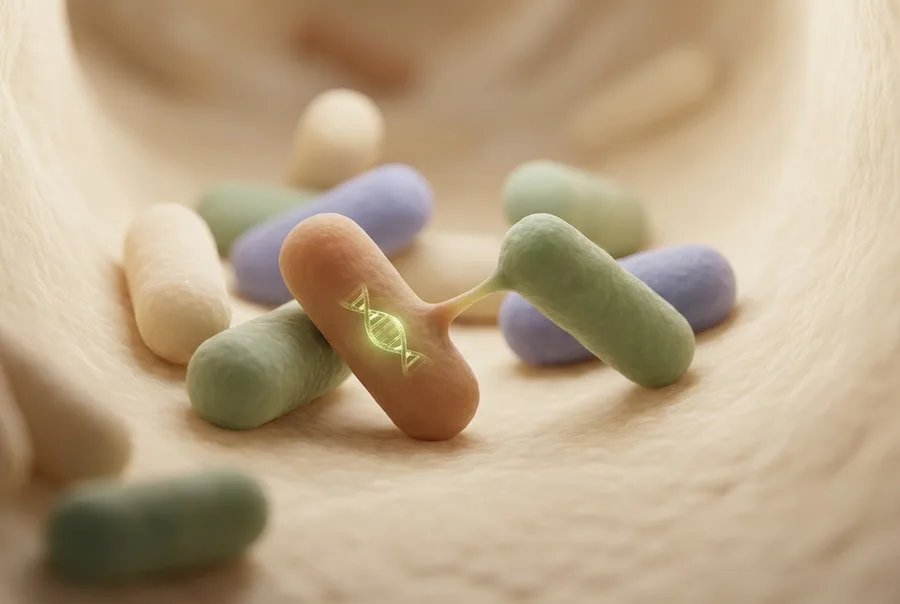
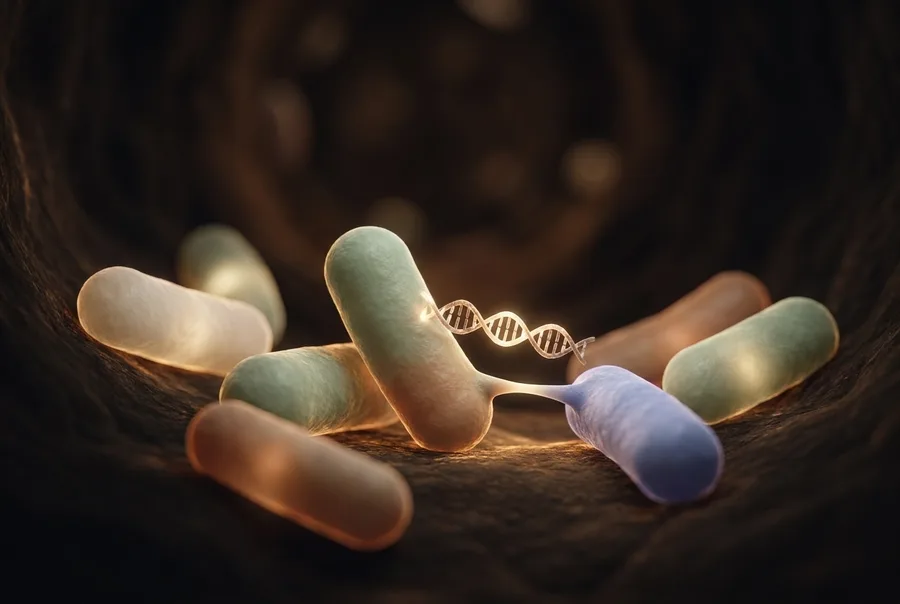
DNA transfer: donor → recipient

Deliver genetic tools

Transfer genetic cargo to microbes in their existing community.

Edit DNA in place

In this example, a genetic sequence is inserted at a selected genomic site while the microbe remains among its neighbors.

Study what changes

Measure the effects on microbial function, community interactions or host responses.

The community is part of the experiment. Editing in place lets us study gene function in microbes that are difficult to isolate or grow alone.

Tools for editing in place

Published methods for delivering DNA, targeting insertions, and editing selected microbes within a community.

  • Delivery into a community

    MAGIC

    DNA transfer: donor → recipient

    Delivers genetic payloads to native gut bacteria by conjugation, inside the host.
    How MAGIC works

    In the 2019 study, engineered donor E. coli transferred DNA to resident gut bacteria in mice through direct cell-to-cell contact, a process called conjugation.

    Depending on the delivery vector, the DNA could remain in the recipient as a plasmid, a DNA molecule separate from the chromosome, or be inserted into its chromosome. This allowed bacteria to be modified without first isolating and growing each recipient on its own.

    Read the paperRonda et al. · Nature Methods · 2019
  • Targeted DNA insertion

    INTEGRATE

    RNA-guided transposition for accurate, multiplexed, kilobase-scale insertion.
    How INTEGRATE works

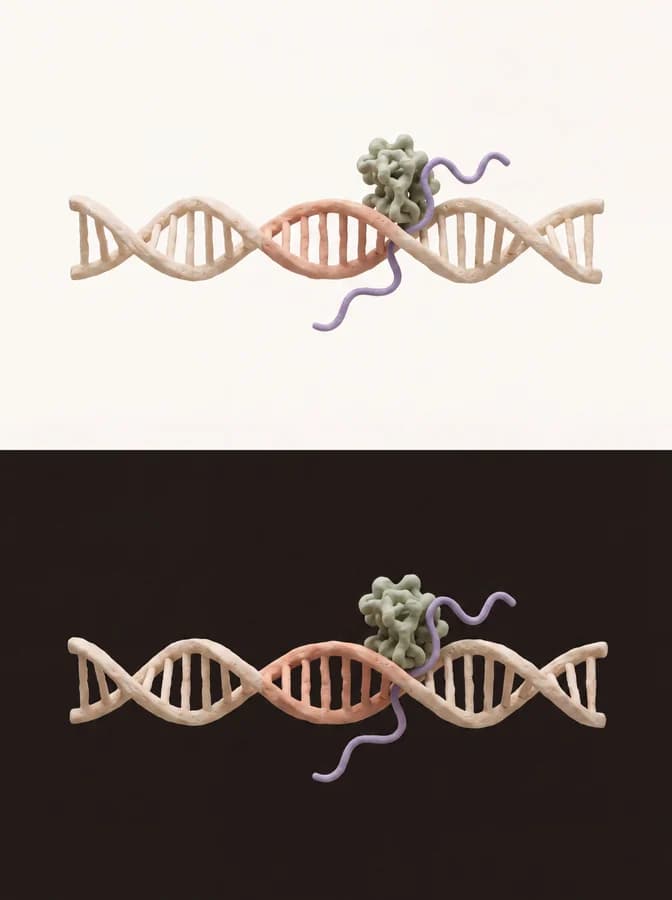
    Guide RNAs direct a CRISPR-associated protein complex to selected sites in bacterial DNA. Transposase proteins then insert a DNA payload nearby. The improved system described in the 2021 paper streamlined delivery and enabled insertions at multiple sites.

    These insertions can be marker-free: a selectable marker does not need to be included in the inserted DNA, although transposon-associated sequences remain. The method does not require homologous recombination or a Cas9-induced double-strand break.

    Read the paperVo, Ronda et al. · Nature Biotechnology · 2021
  • Selective community editing

    MetaEdit

    Combines conjugative delivery with RNA-guided DNA insertion to modify selected gut bacteria within communities, demonstrated in mice.
    How MetaEdit works

    Engineered donor bacteria transfer the editing system through conjugation. Computationally designed guide RNAs direct CRISPR-associated transposases to insert DNA payloads at selected sites in particular bacteria within a community.

    In mice, researchers added a metabolic pathway to a native gut bacterium and introduced reporter genes into segmented filamentous bacteria. These experiments demonstrated genetic access to gut bacteria that are difficult to grow in the laboratory.

    Read the paperGelsinger, Ronda et al. · Science · 2025
See delivery and insertion explained

Extending the toolkit

We are exploring new tools, delivery routes, and settings for microbiome engineering.

New settings

Environmental Microbiome Engineering

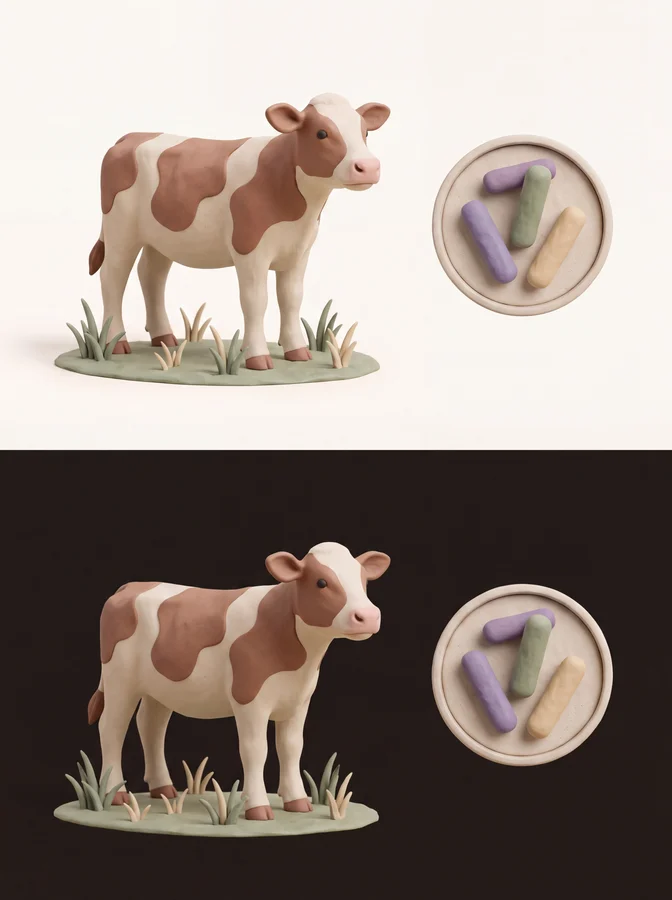
Explore how microbiome engineering could address environmental challenges, including methane from livestock, through the IGI BIOME initiative.

Explore this direction

New biological tools

Generative Protein Design

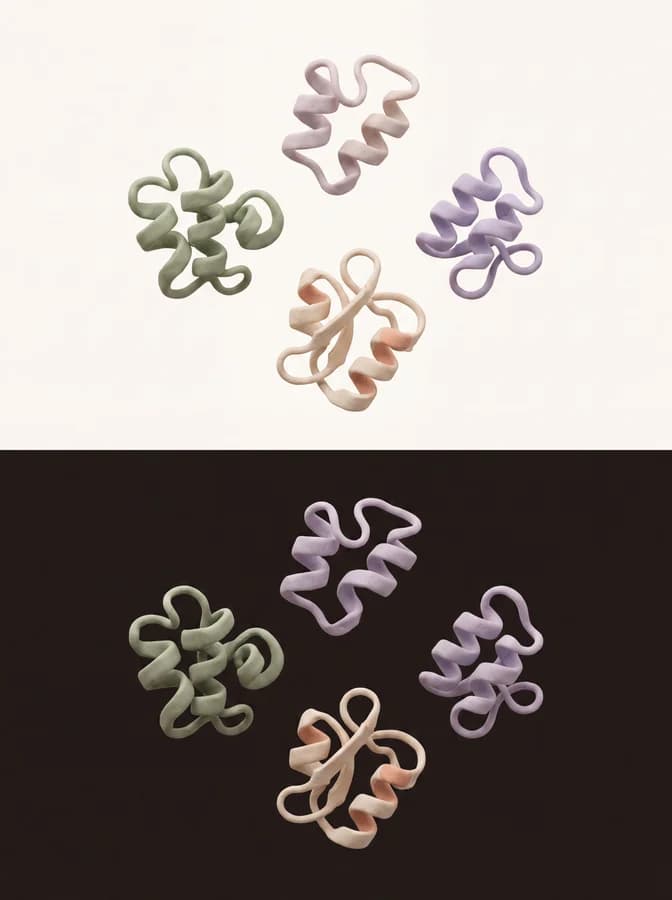
Explore AI-designed proteins to improve our tools, broaden their microbial host range, and expand what microbiome engineering can do.

Explore this direction

New delivery routes

Mobilome Engineering

Adapt mobile genetic elements to carry genetic cargo into a broader range of microbes.

Explore this direction

Editing microbes within a community

Visual explanation: Engineering a microbe directly in the gut

Biotherapeutic Development

Disarm pathogens. Restore host signaling.

We develop live biotherapeutic strategies that connect microbial engineering with effects on host biology. The work takes two approaches: disable harmful activity in a gut pathogen, or engineer a beneficial microbe to influence host signaling.

Preclinical studies

BACTRINS

Precise Virulence Inactivation in Gut Pathogens

Donor cell delivers cargo

Insertion disrupts the toxin gene

Living recipient carries a nanobody payload

Tested in a mouse model of Shiga toxin-producing gut infection. The nanobody payload was designed to interfere with pathogen attachment, adding a second therapeutic function to virulence disruption.

Ronda et al., “Precise virulence inactivation using a CRISPR-associated transposase for combating Enterobacteriaceae gut pathogens,” Nature Biomedical Engineering (2025)

GLP-1 Probiotic

Engineered Probiotic Restoration of GLP-1 Signaling In Situ

Probiotic releases a peptide

Host cells release more GLP-1

Intestinal responses are measured

In a mouse model of diet-related colitis, a probiotic-delivered microbial peptide raised GLP-1 signaling and reduced intestinal inflammation. The study connects a microbial function with a host endocrine response.

Brockmann et al., “Engineered probiotic restores GLP-1 signaling to ameliorate fiber-deficiency exacerbated colitis,” Science Advances (2025)

Research focus

Food allergy

How gut microbes shape food tolerance

We study how microbial signals may influence the development of immune tolerance to food in early life.

Our question

Which microbial signals influence immune responses to food?

Signals from
gut microbes

A clue from mouse studies

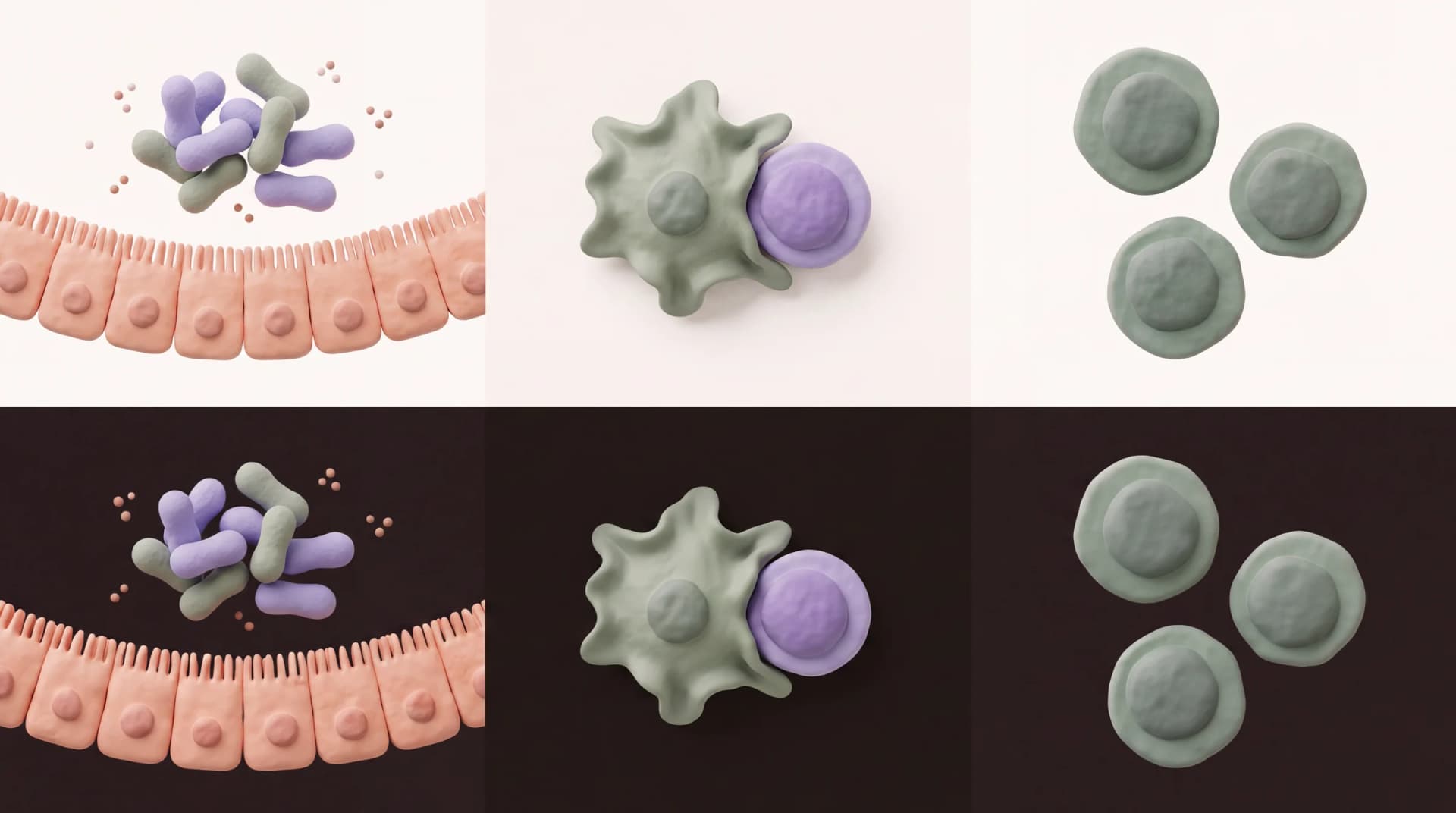
Thetis cell + T cell

Regulatory T cells

In gut-draining lymph nodes, Thetis cells help generate regulatory T cells that restrain immune responses to food.
The biology behind the question

Thetis cells present food antigens to naive CD4 T cells. In mice, this supports their development into food-specific regulatory T cells. The illustration shows these interactions conceptually, at different scales.

Read the mouse study
What we aim to test

Ronda Lab and Chrysothemis Brown Lab at Memorial Sloan Kettering. Supported by the Food Allergy Fund.

  1. Find candidate signals

    Identify microbial cues that may support food tolerance.

  2. Engineer delivery

    Build gut bacteria to deliver a selected signal.

  3. Test in mice

    Ask whether the signal changes immune responses to food.

Explore the Food Allergy Fund project
Visual explanation: Microbiome engineering mechanisms